




Low FODMAP Sugar Guide
Low FODMAP sugar starts with table sugar. Fody’s plain guide covers which sugars and syrups fit and why.
TL;DR
-
Table sugar is Low FODMAP sugar because its glucose and fructose are absorbed together.
-
Brown and coconut sugar fit only in modest or small portions.
-
Agave and honey are not Low FODMAP, so maple syrup or regular sugar make better swaps.
-
Sorbitol, mannitol, xylitol, and maltitol are not Low FODMAP; erythritol is not a significant trigger.
-
Portion guidance for several sugars was revised recently, so confirm current amounts.
Sugar on Low FODMAP
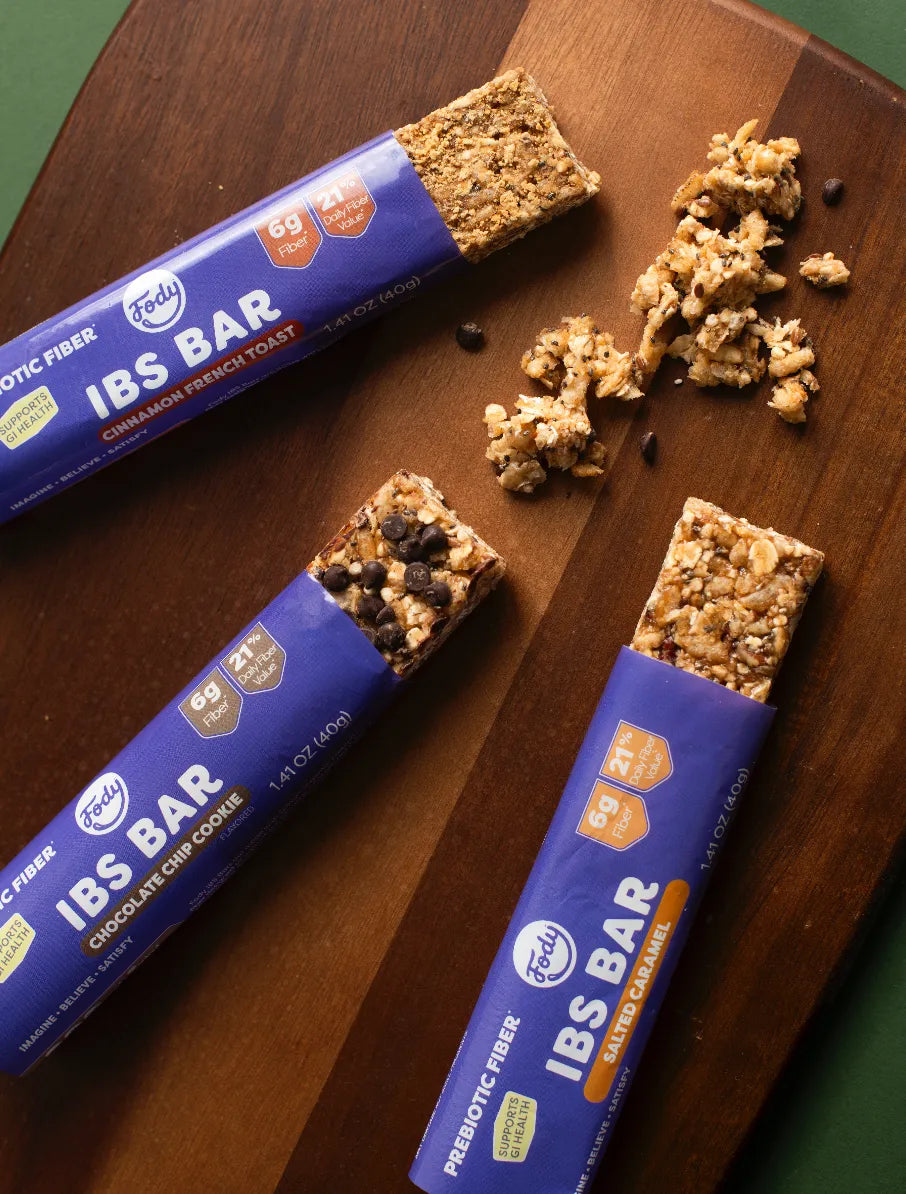
Table sugar, or sucrose, is Low FODMAP sugar: it contains equal parts glucose and fructose, which the body absorbs together. Other sugars and syrups vary, and some are not Low FODMAP at all. Personal tolerance and current portion guidance both matter, and a registered dietitian can help you decide what suits you.
Table Sugar Explained
Low FODMAP table sugar works because of its balance. Sucrose is made of equal parts glucose and fructose, which are absorbed together, so it leaves no excess fructose behind. Table sugar comes in several familiar forms:
-
white sugar
-
cane sugar
-
caster sugar
-
icing sugar
Check icing sugar labels for wheat-based additives before you use it.
Brown and Coconut Sugar
Brown sugar is sucrose combined with a small amount of molasses, and it is classed as Low FODMAP in modest portions. Coconut sugar and Low FODMAP eating need more care. Coconut sugar naturally contains inulin, so it fits in small portions only. Inulin is a fermentable carbohydrate that can be triggering in larger amounts for people with sensitive digestion. Guidance for both was revised recently, so confirm current portions.
Why Agave Is Different
The difference comes down to balance. Table sugar has equal parts glucose and fructose, while agave is mostly fructose, which leaves a large excess. That is why agave and Low FODMAP eating do not mix: agave is not Low FODMAP, and it is worth avoiding. Pure maple syrup or regular sugar are simple replacements when a recipe calls for agave.
Honey and Syrups Compared
Low FODMAP syrups fall into three clear groups:
|
Status |
Syrups |
|
Low FODMAP in measured portions |
Pure maple syrup, rice malt syrup, glucose syrup, corn syrup |
|
Small portions only |
Molasses, golden syrup |
|
Not Low FODMAP |
Honey, agave, high-fructose corn syrup |
Buy real maple syrup rather than maple-flavoured syrup, and remember that corn syrup and high-fructose corn syrup are different products.
Sugar Alcohols to Know
Low FODMAP sugar alcohols are few. Sorbitol, mannitol, xylitol and maltitol are not Low FODMAP, and they often appear in sugar-free gums and candies. Erythritol is the exception: it is a sugar alcohol that is not a significant trigger at normal serving sizes. When a product uses a sugar alcohol, the specific name on the list is what counts. Explore Fody's guide to Low FODMAP sweeteners.
Reading Sweetener Labels
The ingredient list matters more than any front-of-pack claim. Watch for:
-
fructose, fruit sugar, crystalline fructose or fructose syrup
-
honey or agave
-
sorbitol, mannitol, xylitol or maltitol
-
inulin or chicory root, which can be triggering in larger amounts
In Canada, high-fructose corn syrup can be listed as glucose-fructose. Sugar, cane sugar, dextrose, glucose and glucose syrup are Low FODMAP sugar names.
Fody Sweet Snack Bars
When you want something sweet that has already been tested, Fody Snack Bars are a ready-made option. The range includes nut bars and gentle fibre bars, all tested and certified Low FODMAP, gluten-free and vegan. Each bar is individually wrapped and shelf-stable, so one fits easily into a bag or desk drawer. See the full range in the Fody Snack Bars collection.
Sugar in Baking
Sugar does more in baking than sweeten. It shapes structure and texture, so a swap can change how a bake turns out. Follow a recipe as written the first time. If you then substitute, swap granular for granular and liquid for liquid, so table sugar replaces another dry sugar and maple syrup replaces another syrup. Measure carefully, because portions of Low FODMAP sugar still matter once the bake is sliced.
Portion Sense for Sweets
Low FODMAP eating depends on serving size, and sweets are no exception. Table sugar has no excess fructose, but it can still irritate the gut for some people, so treat sweets as occasional rather than constant. Published portion guidance for several sugars was revised recently, so confirm current amounts in a Low FODMAP app or with a registered dietitian. Pre-portioning sweets makes moderation easier.
Sweet Swaps for Everyday
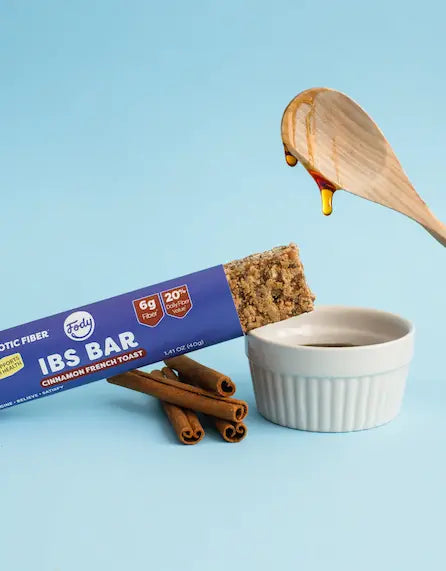
A few everyday swaps keep sweetness in your day:
-
maple syrup in place of honey
-
regular sugar in place of agave
-
strawberries, blueberries or raspberries when you want something sweet
-
lactose-free yogurt with blueberries and a drizzle of maple syrup
-
a small square of dark chocolate
Each swap uses foods that fit a Low FODMAP approach in sensible portions.
Sweet Takeaways
Low FODMAP sugar starts with table sugar, which fits comfortably. Brown and coconut sugar work with care, agave and honey are worth avoiding, and most sugar alcohols deserve caution. Simple swaps such as maple syrup for honey keep sweetness on the table. Because portion guidance has changed recently, confirm current amounts before you settle into a habit. Explore Fody's Low FODMAP desserts.