
Are Restaurant & Fast-Food Sauces Low FODMAP?
Are Restaurant & Fast-Food Sauces Low FODMAP?
Dining out with IBS often feels less about the meal itself and more about what’s hidden beneath the surface. While main ingredients are usually easy to identify, sauces and condiments are where uncertainty begins. They’re rarely listed in detail, often added automatically, and can contain a surprising mix of ingredients that may affect digestive comfort.
For people following a Low FODMAP approach, restaurant and fast-food sauces are one of the most common sources of unexpected triggers. Garlic, onion, sweeteners, and wheat-based thickeners are widely used, even in sauces that appear mild or familiar. Because these ingredients are blended into recipes, it’s difficult to rely on taste or appearance alone.
This guide breaks down what to watch for in restaurant and fast-food sauces if you have IBS, explains why sauces can be problematic, and offers practical strategies for ordering with confidence. By understanding how sauces are made and which ingredients are most likely to cause issues, you can make more informed choices and enjoy meals out with greater ease and peace of mind.
Why Sauces Are a Common IBS Trigger When Dining Out
For people with IBS, sauces can be especially challenging because they’re highly concentrated and often made in large batches. Typically, sauces are one of the top causes of “mystery symptoms” after eating at restaurants.
Most restaurant sauces are designed for flavor impact rather than digestive comfort. That means:
-
Heavy use of onion and garlic (fresh, powdered, puréed)
-
Sweeteners like high-fructose corn syrup, honey, or agave
-
Dairy-based ingredients such as cream or milk
-
Thickeners and emulsifiers that can bother sensitive guts
Even small amounts can add up quickly.
From a dietary science standpoint, this matters because FODMAPs are dose-dependent. A spoonful of sauce might contain enough fermentable carbohydrates to trigger bloating, gas, or discomfort—especially when paired with other FODMAP-containing foods.
This is why many people find that a meal seems “safe” on paper, but symptoms appear shortly afterward. The sauce is often the missing piece.
The Most Common Hidden Low FODMAP Triggers in Sauces
Let’s take a look at the ingredients that most often cause trouble.
1. Onion and Garlic (the biggest offenders)
Onion and garlic are the number-one FODMAP trigger in sauces. They show up in:
-
Marinades
-
Barbecue sauces
-
Pasta sauces
-
Salad dressings
-
Burger sauces
-
Dips and spreads
Even when you don’t see them listed, they’re often included as “natural flavors” or spice blends.
2. Concentrated Sweeteners
Sweeteners are another common issue, particularly in fast food sauces:
-
High-fructose corn syrup
-
Honey
-
Agave nectar
-
Fruit juice concentrates
These ingredients can increase the FODMAP load quickly, especially in sweet or tangy sauces.
3. Dairy-Based Ingredients
Creamy sauces may include:
-
Milk
-
Cream
-
Soft cheeses
While lactose-free dairy can sometimes be tolerated, restaurants rarely specify what type they use.
4. Wheat-Based Thickeners
Some sauces rely on wheat flour or malt vinegar for thickness and flavor, which can be problematic for people sensitive to fructans.

Are Fast Food Sauces IBS Friendly?
This is one of the most searched questions—and understandably so. Are fast food sauces IBS friendly? Sometimes yes, often no, and rarely consistently.
Fast food chains prioritize:
-
Cost efficiency
-
Shelf stability
-
Strong flavor
That usually means more onion, garlic, sugar, and additives.
Generally Risky Fast Food Sauces
These often cause symptoms for people with IBS:
-
Barbecue sauce
-
Special “house” sauces
-
Garlic aioli
-
Honey mustard
-
Teriyaki sauce
Sometimes Tolerated (but Not Guaranteed)
These may be tolerated in small amounts, depending on the brand and portion size:
-
Plain mustard
-
Small amounts of ketchup
-
Simple oil-and-vinegar dressings
The problem is transparency. Ingredient lists aren’t always available, and recipes can vary by location.
Low FODMAP Restaurant Sauces: What’s Usually Safer
While no restaurant sauce is automatically “safe,” some options tend to be better tolerated.
Sauces More Likely to Be Low FODMAP
-
Plain olive oil
-
Vinegar (balsamic or red wine, without added sweeteners)
-
Simple herb oils
-
Lemon juice (in small amounts)
These sauces are usually made with fewer ingredients and less processing.
Sauces to Be Cautious With
If you have IBS, these are common sauces to avoid unless ingredients are confirmed:
-
Cream-based sauces
-
Tomato-based pasta sauces
-
Marinades
-
Glazes
Even when a menu says “simple” or “house-made,” that doesn’t mean Low FODMAP.
What Sauces Should You Avoid If You Have IBS?
To make dining out easier, here’s a practical breakdown.
High-Risk Sauces for IBS
These frequently trigger symptoms:
-
Garlic butter
-
Onion-based gravies
-
Barbecue sauce
-
Teriyaki sauce
-
Sweet chili sauce
Lower-Risk Choices (Ask First)
-
Plain mustard
-
Oil and vinegar
-
Simple vinaigrettes without onion or garlic
When in doubt, it’s okay to skip the sauce entirely and add flavor another way.
How to Order Sauces Safely at Restaurants (Practical Strategies)
1. Ask Direct, Specific Questions
Instead of “Is this Low FODMAP?” ask:
-
“Does this sauce contain onion or garlic?”
-
“Is it made with any sweeteners like honey or syrup?”
2. Request Sauce on the Side
This gives you control over portion size, which matters for FODMAP tolerance.
3. Keep It Simple
Grilled proteins with oil, salt, pepper, and herbs are often the safest base.
4. Bring a Backup
Many experienced Low FODMAP eaters carry a trusted sauce or seasoning when dining out—especially while traveling.

How IBS-Friendly Sauces Can Make Dining Out Easier
One of the most effective strategies for managing IBS is controlling what you can. That’s where having reliable, Low FODMAP sauces at home becomes valuable.
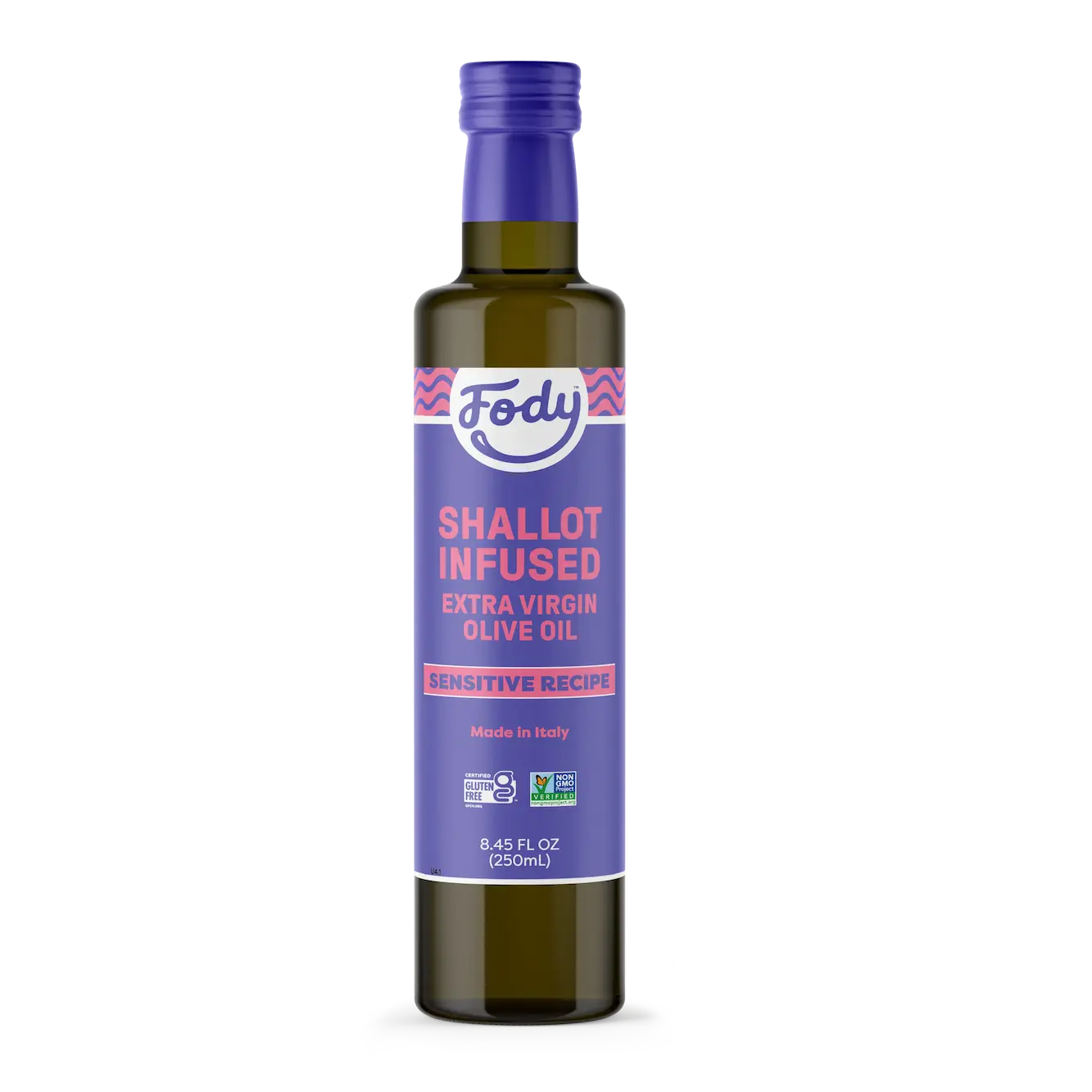
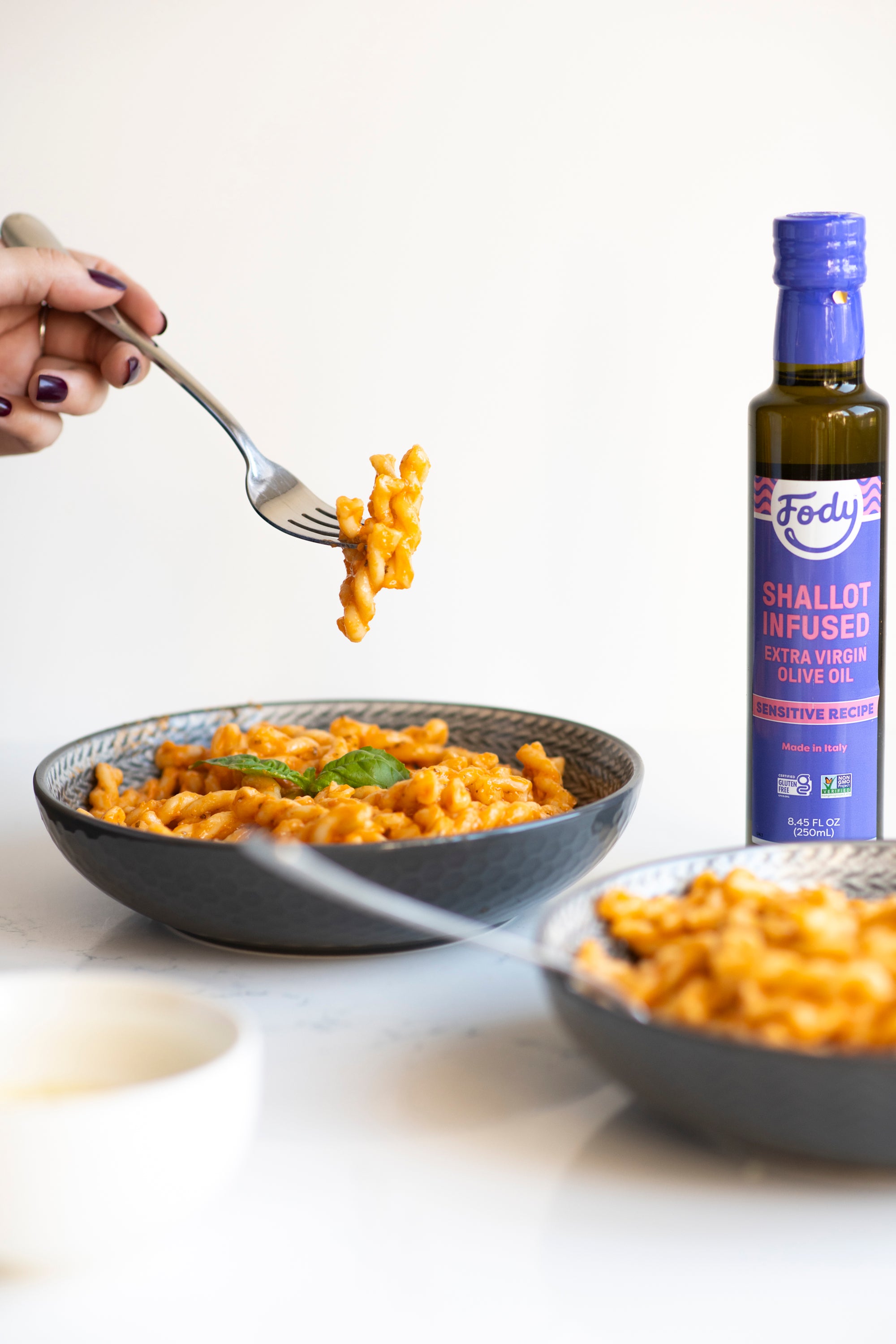
Fody focuses specifically on sauces made without onion or garlic and designed for people with IBS. Fody’s full line is:
-
IBS-friendly
-
Gluten-free
-
Vegan
-
Tested and certified Low FODMAP
-
Made with no onion and no garlic
Having dependable options at home helps reduce anxiety around eating and allows you to enjoy flavor without second-guessing ingredients.
Many people use trusted sauces before going out or pair simple restaurant meals with familiar flavors at home.
Final Thoughts: Can Sauces Trigger IBS?
Yes—sauces can absolutely trigger IBS, particularly when dining out. But with awareness, preparation, and smart ordering strategies, you don’t have to avoid restaurants entirely.
Understanding which ingredients matter most, knowing which sauces to avoid with IBS, and relying on trusted Low FODMAP options can make eating out feel far less stressful—and far more enjoyable.
FAQs
1. Are restaurant sauces Low FODMAP if they don’t taste garlicky or strong?
Not necessarily. One of the most common misconceptions for people following a Low FODMAP approach is assuming that sauces without a strong garlic or onion flavor are automatically IBS-friendly. In reality, many restaurant sauces contain small but concentrated amounts of onion or garlic that don’t stand out on the palate but can still affect digestion.
Restaurants frequently use garlic powder, onion powder, or blended flavor bases rather than fresh ingredients. These powdered forms are more concentrated than fresh garlic or onion and are often added early in cooking, which allows the flavor to mellow while the FODMAP content remains. As a result, a sauce may taste mild while still being problematic for IBS.
Additionally, sauces often include secondary ingredients like wheat-based thickeners, sweeteners, or flavor blends labeled as “spices” or “natural flavors.” These ingredients are difficult to identify without a full ingredient list.
For people with IBS, taste alone is not a reliable indicator. The safest approach is to ask about ingredients directly or choose simple alternatives like oil, vinegar, or lemon juice when dining out.
2. What are the biggest hidden FODMAP ingredients in fast-food sauces?
Fast-food sauces are particularly challenging for Low FODMAP eating because they’re engineered for consistency, shelf life, and bold flavor. This means they often contain multiple hidden FODMAP sources, even when the sauce appears simple.
The most common hidden triggers include garlic powder and onion powder, which are almost universal in fast-food condiments. These ingredients may not be obvious because they’re used in small amounts across many components of the sauce, but together they can contribute to digestive discomfort.
Another frequent issue is sweeteners. Fast-food sauces often rely on fructose-heavy sweeteners to balance acidity and salt. These sweeteners can be difficult to tolerate for people with IBS, especially when combined with other FODMAPs.
Wheat-based thickeners and modified starches are also common and may appear in sauces used for burgers, wraps, or dipping. Because fast-food chains rarely customize sauces, avoiding them altogether or requesting meals without sauce is often the most IBS-friendly choice.
3. Can sauces be Low FODMAP in small portions if you have IBS?
Portion size does matter, but sauces are still tricky for people with IBS. Some high FODMAP ingredients may be tolerated in very small amounts, but restaurant sauces make portion control difficult. A single dish may include sauce mixed throughout, layered on top, or served alongside additional condiments.
Sauces are concentrated by nature, meaning even a small quantity can contain multiple FODMAP triggers at once. When combined with other foods in a meal, this can increase the overall digestive load and make symptoms more likely.
For IBS-friendly dining, it’s often safer to treat sauces as either safe or unsafe, rather than trying to estimate tolerance levels. Asking for sauces on the side allows you to control how much you consume and assess how your body responds.
If you’re experimenting with portion size, it’s best to do so in familiar settings rather than when eating out. Restaurants introduce too many variables to reliably test tolerance, especially when managing IBS.
4. What Low FODMAP sauces or condiments are easiest to order at restaurants?
When dining out with IBS, the most reliable Low FODMAP sauce options are those with minimal ingredients and clear preparation methods. Simple condiments are generally safer because they rely less on blended flavor bases.
Common lower-risk options include olive oil, vinegar, lemon juice, and plain mustard, provided they don’t contain added garlic or onion. These options are often available even when they’re not listed on the menu and can be requested separately.
Plain mayonnaise can sometimes be IBS-friendly if it’s unflavored, but flavored or house-made versions frequently include garlic or onion. Always ask before assuming it’s suitable.
Herbs, salt, and pepper are also excellent ways to add flavor without relying on sauces. Choosing grilled or roasted dishes and enhancing them with simple condiments allows you to enjoy meals out while staying aligned with Low FODMAP eating and digestive comfort.
5. How can people with IBS ask about sauces at restaurants without feeling awkward?
Advocating for your needs doesn’t have to feel uncomfortable. Many people with IBS worry about asking questions, but restaurant staff are increasingly familiar with dietary requests and ingredient concerns.
A helpful approach is to ask specific, simple questions rather than explaining IBS in detail. For example, asking “Does this sauce contain garlic or onion?” is often more effective than asking if something is Low FODMAP, which staff may not recognize.
You can also frame your request around preference rather than restriction, such as asking for sauce on the side or choosing a dish without sauce altogether. This keeps the interaction casual and straightforward.
Planning ahead by reviewing menus online and identifying simpler dishes can also reduce the need for detailed conversations. With practice, asking about sauces becomes a normal part of dining out and helps support a more comfortable, IBS-friendly experience.
So, what are you waiting for?
Shop from some of our best selling, low FODMAP foods.
 Cinnamon French Toast High Fiber Snack Bar - 12 Pack
Cinnamon French Toast High Fiber Snack Bar - 12 Pack
$32.99
 Chocolate Chip Cookie High Fiber Snack Bar - 12 Pack
Chocolate Chip Cookie High Fiber Snack Bar - 12 Pack
$32.99