
Low FODMAP Sauces: What You Can Safely Eat With IBS (And What to Avoid)
If you have IBS, sauces can feel like one of the most confusing parts of eating well. You might carefully plan a meal that looks perfectly safe—only to feel uncomfortable afterward. More often than not, the culprit isn’t the main dish; it’s the sauce.
Sauces are tricky because they tend to pack a lot of ingredients into a small serving. Onion, garlic, sweeteners, and thickeners can all hide in a single spoonful. Even condiments that seem harmless can trigger symptoms when you’re following a Low FODMAP diet.
The good news is that there are Low FODMAP sauces and Low FODMAP condiments that people with IBS can enjoy—once you know what to look for.
In this guide, we’ll break down:
-
What Low FODMAP sauces really are
-
Sauces that are safe for people with IBS
-
Which sauces to avoid and why
-
Cooking sauces, dipping sauces, hot sauces, and pasta sauces that fit a Low FODMAP diet
-
Practical tips from real-world IBS experience
Whether you’re just starting or refining what works for you, this article will help you enjoy flavor without the guesswork.
What Are Low FODMAP Sauces?
Before diving into specific sauces, it’s essential to understand what “Low FODMAP” actually means in this context.
Low FODMAP sauces are made without common High FODMAP ingredients or are formulated in portions that keep FODMAP levels low. The most problematic ingredients tend to be:
-
Onion (fresh, powdered, or concentrated)
-
Garlic (including garlic-infused pastes or powders)
-
High-fructose sweeteners (honey, agave, high-fructose corn syrup)
-
Certain fruit concentrates
-
Dairy ingredients with lactose
-
Wheat-based thickeners
Because sauces are concentrated, even small amounts of these ingredients can make a difference.
A sauce doesn’t need to be complicated to be flavorful. In fact, the safest Low FODMAP sauces often have short, simple ingredient lists. This is why many people with IBS feel better when they shift toward sauces designed specifically for digestive comfort.

What Sauces Can You Eat With IBS?
This is one of the most common—and most practical—questions people ask when managing IBS.
General Rule of Thumb
Sauces that are safe for people with IBS usually share three qualities:
-
No onion or garlic
-
No high-FODMAP sweeteners
-
Controlled portion sizes
Sauces People With IBS Often Tolerate Well
Based on dietary guidance and lived experience, these sauces are often better tolerated:
-
Simple herb-infused oils
-
Vinegar-based sauces without added sweeteners
-
Tomato-based sauces made without onion or garlic
-
Carefully formulated Low FODMAP sauces
The key isn’t just the type of sauce—it’s how it’s made.
Many people with IBS report that when they switch from conventional sauces to options specifically designed to be Low FODMAP, symptoms become far more predictable and manageable.
Are Any Condiments Low in FODMAP?
Yes—some condiments are Low FODMAP, but this category requires careful label reading.
Low FODMAP Condiments That Are Often Tolerated
-
Mustard (plain varieties, without onion or garlic)
-
Vinegar (balsamic, apple cider, or red wine, in small amounts)
-
Soy sauce alternatives formulated without wheat or garlic
-
Certain ketchups are made without onion or garlic
Condiments That Often Cause IBS Symptoms
-
Barbecue sauce
-
Relish
-
Garlic-based spreads
-
Sweet chili sauce
Condiments are easy to underestimate because we use them in small amounts. But for people with IBS, even a tablespoon can make a difference.
What Cooking Sauces Are Low FODMAP?
Cooking sauces are fundamental because they’re often used in larger portions and heated, which can intensify flavors—and symptoms.
Cooking Sauces That Can Fit a Low FODMAP Diet
-
Stir-fry sauces formulated for Low FODMAP diets
-
Marinades using citrus, herbs, and oils instead of garlic
From a practical standpoint, people with IBS often feel more confident cooking at home once they have reliable sauces they trust. This reduces the stress of constantly modifying recipes.
Cooking Sauces to Avoid With IBS
-
Traditional pasta sauces with onion and garlic
-
Teriyaki sauce
-
Commercial marinades with sweeteners or flavor concentrates

Are There Any Low FODMAP Pasta Sauces?
Yes—and this is one of the most empowering discoveries for people with IBS.
Pasta is often one of the first foods people worry about, but the real issue is usually the sauce. Many traditional pasta sauces are built on a base of onion and garlic, which can make them difficult to tolerate.
Low FODMAP Pasta Sauces Are:
-
Made without onion or garlic
-
Carefully balanced to avoid excess fructose
-
Portion-aware
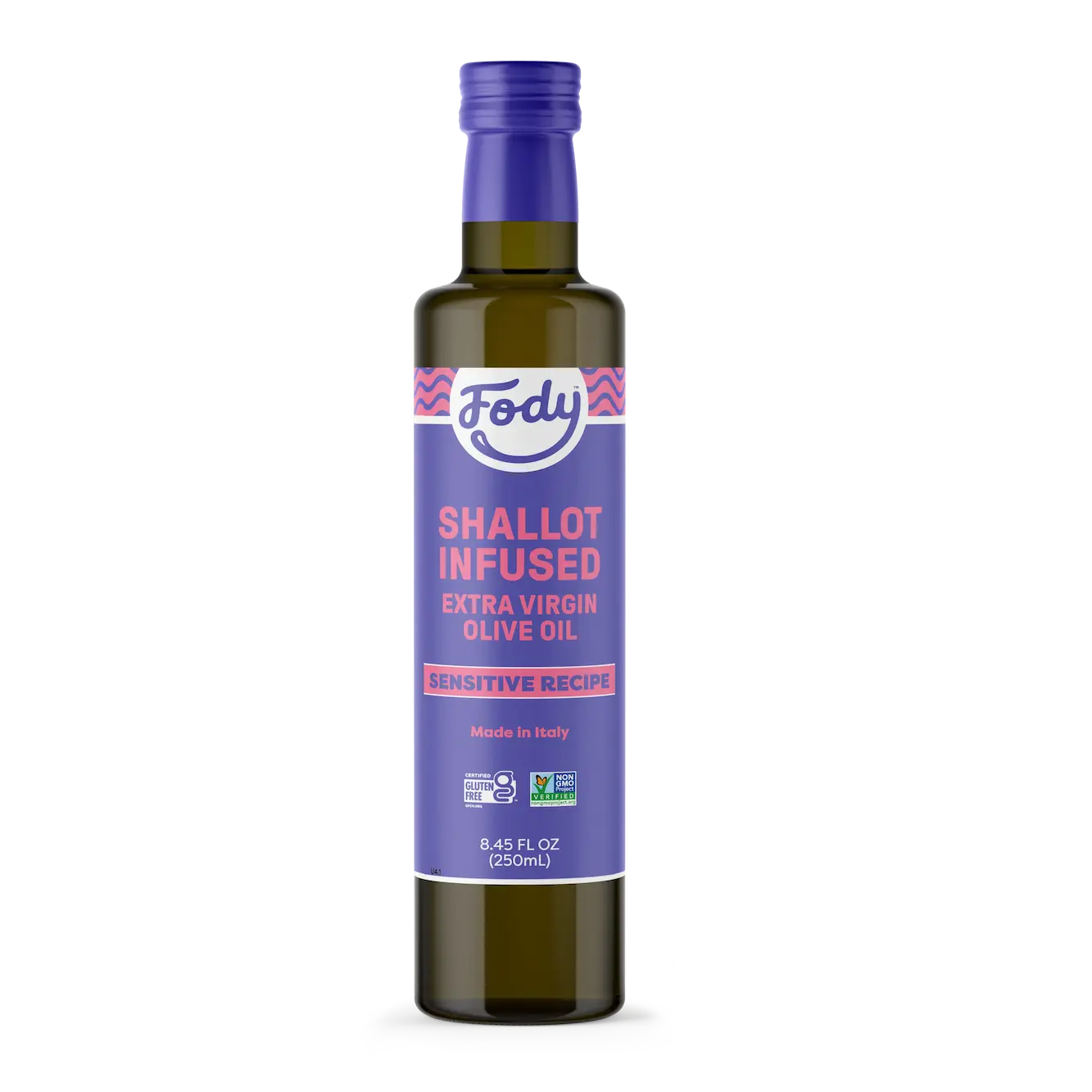
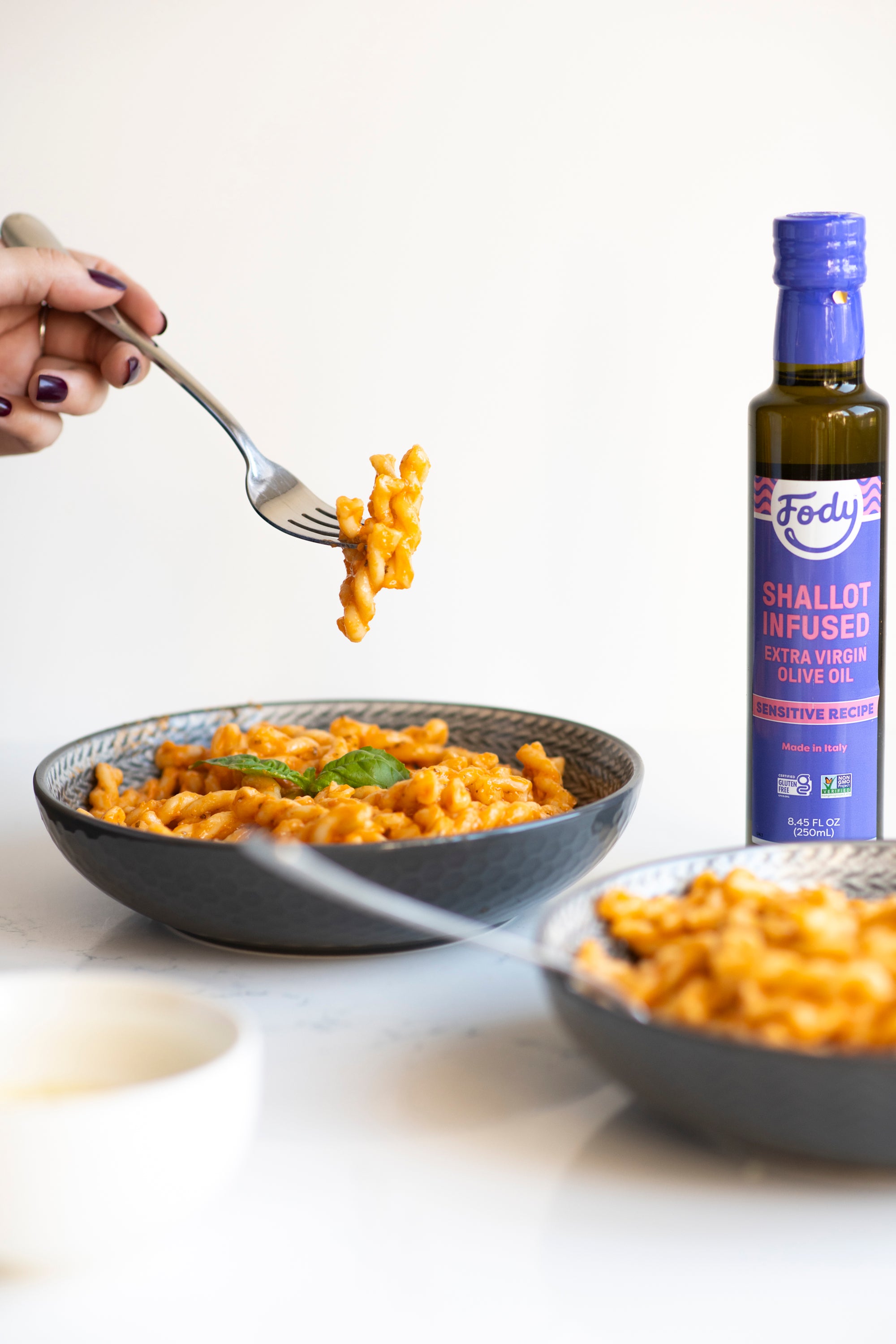
At Fody, we offer pasta sauces created explicitly for people with IBS. These sauces are:
-
Faible
en FODMAP -
IBS-friendly
-
Sans gluten
-
Végétalien
-
Made with no onion and no garlic
Access to reliable pasta sauces can greatly boost meal confidence.
What Dipping Sauces Are Low FODMAP?
Dipping sauces are another common concern—especially for snacks, appetizers, and casual meals.
Low FODMAP Dipping Sauce Options
-
Simple vinaigrettes
-
Tomato-based dipping sauces without onion or garlic
-
Carefully formulated Low FODMAP BBQ-style sauces
Dipping Sauces to Avoid
-
Garlic aioli
-
Ranch-style sauces with onion or garlic
-
Honey-based dips
From experience, dipping sauces tend to be more problematic than people expect because they’re easy to overuse.
What Hot Sauces Are Low FODMAP?
Hot sauce is a tricky category. Many people with IBS assume spice is the problem, but the real issue is often what’s used to create flavor.
Hot Sauces That May Be Low FODMAP
-
Hot sauces that are specifically made without onion or garlic
-
Simple chili-and-vinegar–based sauces
What to Watch For
-
Garlic powder
-
Onion powder
-
Fruit concentrates
It’s also important to note that spicy foods can still irritate symptoms for some people with IBS, even if they’re Low FODMAP. Tolerance is individual.
Sauces to Avoid With IBS (And Why)
Understanding what to avoid is just as important as knowing what to eat.
Typical Sauces That Trigger IBS
-
Garlic-based sauces
-
Onion-heavy gravies
-
Sweet sauces with high-fructose ingredients
-
Creamy sauces containing lactose
For many people with IBS, these sauces combine multiple triggers into a single serving, which can make them harder to tolerate.
Why Fody Sauces Are a Reliable Choice for People With IBS
Finding sauces that truly work for IBS isn’t just about avoiding obvious triggers—it’s about consistency, transparency, and formulation. This is where Fody stands out for people following a Low FODMAP diet.
Fody focuses exclusively on creating Low FODMAP sauces that people with IBS can enjoy without second-guessing ingredients. Every sauce is made without onion or garlic, which are two of the most common triggers hidden in conventional sauces. Instead, flavor comes from carefully selected herbs, spices, and ingredients that align with digestive comfort.
What makes Fody especially useful in everyday eating is reliability. When sauces are predictable, it becomes easier to cook at home, build repeatable meals, and reduce the stress that often comes with managing IBS. Fody’s full line of foods is:
-
IBS-friendly
-
Sans gluten
-
Végétalien
-
Tested and certified Low FODMAP
-
Made with no onion and no garlic
This makes Fody sauces a practical option for everything from pasta nights to quick weeknight meals. Rather than adapting traditional recipes or constantly checking labels, many people with IBS choose purpose-built sauces like these to simplify their routine and enjoy food with more confidence.
Conclusion
So, if you’re wondering what sauces you can have on a Low FODMAP diet, the options are wider than you might think—especially when you choose sauces made without onion or garlic and pay attention to ingredients and portions.
Low FODMAP sauces, condiments, cooking sauces, dipping sauces, and pasta sauces can all fit into an IBS-friendly way of eating when they’re thoughtfully made.
With the proper knowledge and the right products, sauces don’t have to be the enemy. They can be part of meals that are satisfying, flavorful, and supportive of your digestive comfort.
FAQs
1. What are the safest Low FODMAP sauces to use if you have IBS?
When managing IBS, the safest Low FODMAP sauces are those made without onion, garlic, and high-FODMAP sweeteners. These ingredients are the most common triggers and are frequently hidden in conventional sauces. From an IBS-management perspective, safety comes down to ingredient transparency and simplicity, not just the type of sauce.
Sauces that are safe for people with IBS typically rely on tomatoes, vinegar, citrus, herbs, and oils for flavor rather than aromatics like onion and garlic. Tomato-based pasta sauce without onion or garlic, simple vinaigrettes, and herb-infused oils are often well tolerated when portions are kept reasonable. These options work because they avoid fermentable carbohydrates that can lead to bloating and discomfort.
It’s also important to consider consistency. Many people with IBS find that rotating between different restaurants or store-bought sauces leads to unpredictable symptoms. Choosing Low FODMAP sauces that are tested and clearly labeled allows for more stable digestion over time. When sauces are predictable, meals become less stressful and easier to enjoy, which is a key part of long-term IBS management.
2. Are Low FODMAP condiments different from regular condiments?
Yes, Low FODMAP condiments are meaningfully different from regular condiments, even when they look similar at first glance. Traditional condiments often include onion powder, garlic powder, sweeteners, or flavor concentrates to boost taste. These ingredients are inexpensive and effective—but they’re also common IBS triggers.
Low FODMAP condiments are formulated with digestive comfort in mind. Instead of onion and garlic, they rely on herbs, spices, acidity, and carefully balanced sweetness. This makes them better suited for people with IBS who still want flavor without the side effects. From a nutritional standpoint, these condiments are designed to keep FODMAP levels low per serving, which helps prevent symptoms caused by ingredient stacking.
Another key difference is portion awareness. Sauces you can enjoy with IBS are often intended to be used in realistic serving sizes without causing issues. This matters because even Low FODMAP foods can become problematic if portions are too large. Choosing condiments specifically designed for IBS-friendly eating makes it easier to enjoy meals confidently, whether you’re cooking at home or adding flavor to simple dishes.
3. What sauces should you avoid if you have IBS, even in small amounts?
Certain sauces consistently cause symptoms for people with IBS, even when eaten in small amounts. These are the sauces most people end up eliminating first when they switch to a Low FODMAP diet.
High-risk sauces usually contain multiple triggers at once. Garlic-based sauces, onion-heavy gravies, barbecue sauce, teriyaki sauce, and sweet chili sauce are common examples. These sauces often combine onion, garlic, and concentrated sweeteners, which increases the overall FODMAP load quickly. Because sauces are concentrated, even a tablespoon can be enough to cause discomfort.
Creamy sauces can also be problematic, especially if they contain lactose or are thickened with wheat-based ingredients. While not everyone with IBS reacts the same way, these sauces are less predictable and harder to portion safely. For this reason, many people with IBS choose to avoid them altogether.
From a practical standpoint, avoiding these sauces reduces guesswork. Replacing them with Low FODMAP sauces allows you to maintain flavor while lowering the risk of symptoms, making everyday meals more consistent and enjoyable.
4. Can you eat pasta on a Low FODMAP diet if you have IBS?
Yes, you can eat pasta on a Low FODMAP diet—but the type of sauce matters far more than the pasta itself. Many people assume pasta is the problem, when in reality, traditional pasta sauces are often loaded with onion and garlic, which are major IBS triggers.
Low FODMAP pasta sauces are made without onion or garlic and are balanced to avoid excess fructose. These sauces focus on tomatoes, herbs, and acidity rather than aromatics. For people with IBS, this makes pasta nights far more manageable and enjoyable.
Another important factor is portion control. Even with Low FODMAP sauces, serving size still matters. Using a moderate amount helps keep the overall FODMAP load low and reduces the chance of symptoms. Many people with IBS find that once they switch to sauces designed specifically for digestive comfort, pasta becomes a regular, reliable meal rather than an occasional risk.
In short, pasta sauce doesn’t have to be off-limits. Choosing sauces that are safe for people with IBS allows you to enjoy familiar meals without sacrificing comfort.
5. How can you tell if a sauce is truly IBS-friendly and Low FODMAP?
Determining whether a sauce is truly IBS-friendly goes beyond reading the front label. Many products appear simple but still contain hidden triggers. The most reliable way to assess a sauce is to look closely at the ingredient list.
A sauce that is genuinely Low FODMAP will not include onion or garlic in any form, including powders or concentrates. It should also avoid high-FODMAP sweeteners like honey, agave, or high-fructose corn syrup. Clear, specific ingredient labeling is a strong sign that a sauce is designed with digestive comfort in mind.
Another indicator is consistency. Sauces you can enjoy with IBS are typically tested and formulated specifically for people following a Low FODMAP diet, rather than adapted from conventional recipes. This reduces variability and makes it easier to predict how your body will respond.
Finally, trust your experience. If a sauce repeatedly causes symptoms, it’s likely not suitable for your version of IBS—even if it seems compliant on paper. Combining ingredient awareness with personal tolerance is the most effective way to build a reliable list of Low FODMAP sauces you can enjoy confidently.
Alors, qu'attendez-vous?
Shop from some of our best selling, low FODMAP foods.
 Barre Collation Riche en Fibres à saveur de Pain Perdu à la Cannelle - Paquet de 12
Barre Collation Riche en Fibres à saveur de Pain Perdu à la Cannelle - Paquet de 12
$32.99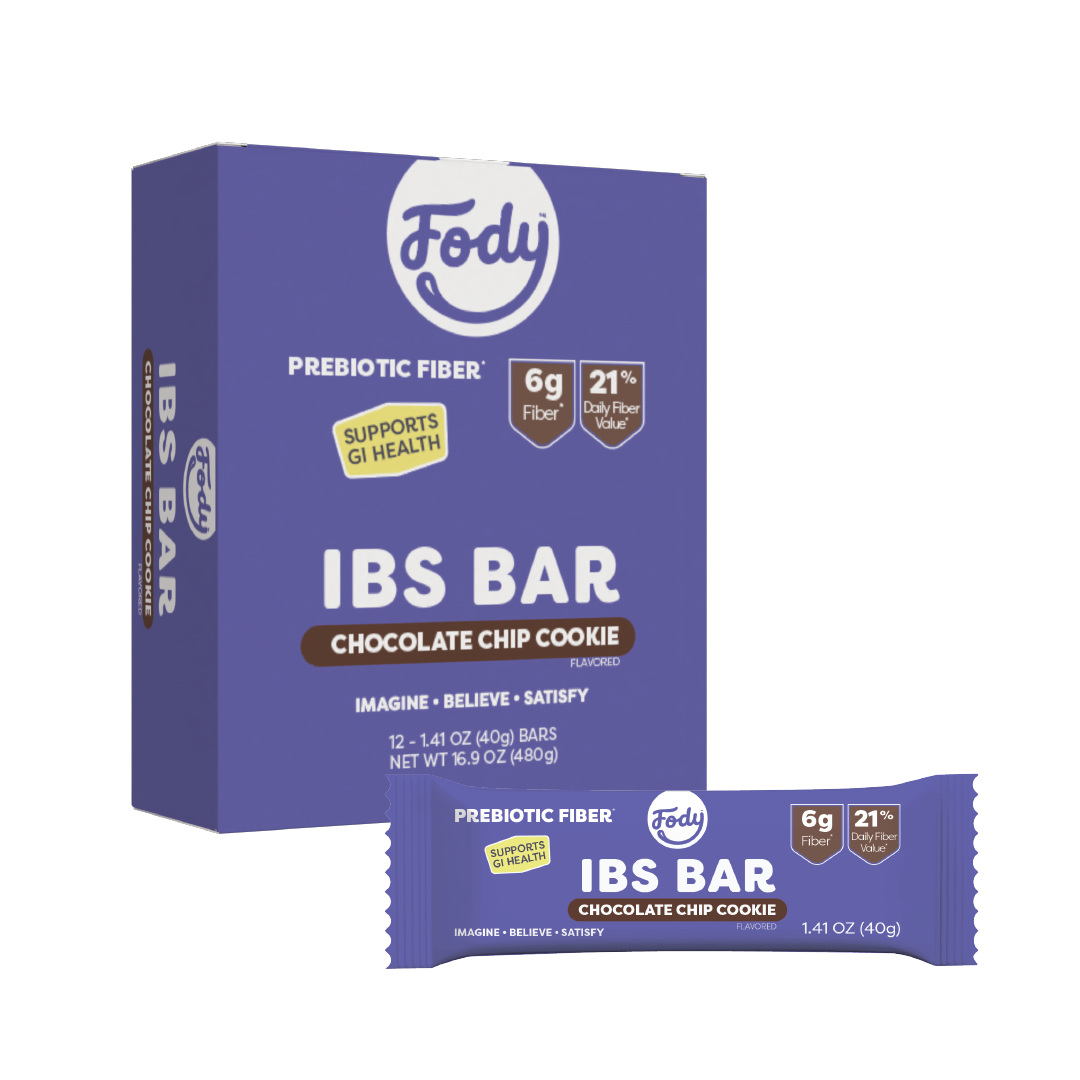
 Barre Collation Riche en Fibres à saveur de Biscuit aux Pépites de Chocolat - Paquet de 12
Barre Collation Riche en Fibres à saveur de Biscuit aux Pépites de Chocolat - Paquet de 12
$32.99